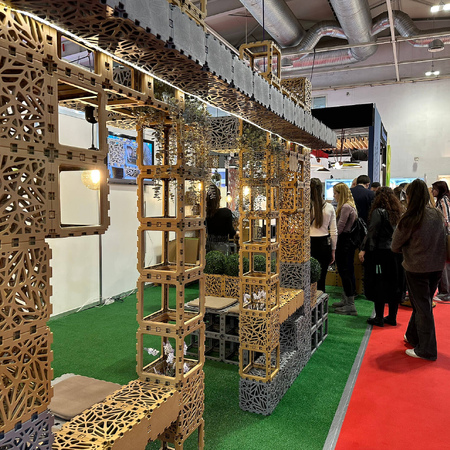
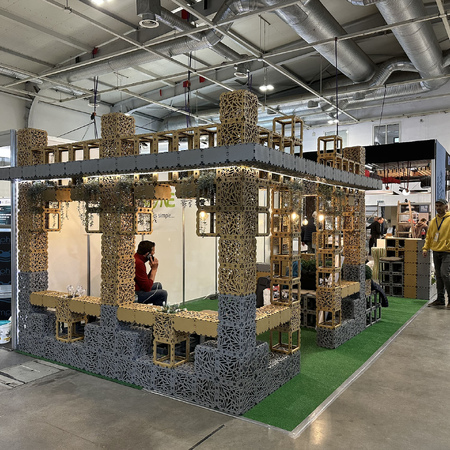
Building an exhibition booth is one of the most demanding tasks in event marketing. Despite investing significant budgets, companies often repeat the same errors: they start planning too late, choose heavy constructions, underestimate on-site constraints, or design booths that can only be used once. As a result, costs rise, timelines slip, and the booth fails to serve its full potential during the event.
Modular systems fundamentally change this dynamic. They reduce complexity, accelerate assembly, and give brands the flexibility to adjust layouts even minutes before the show opens. Below are the core mistakes companies make - and how modular design solves them.
.webp)
Underestimating Assembly Time and On-Site Complexity
Booth construction often takes longer than projected because traditional builds rely on carpenters, electricians, and installers - each dependent on the previous stage finishing on time. On-site delays, missing tools, or an incorrectly measured panel can derail the entire schedule.
How modular systems solve it:
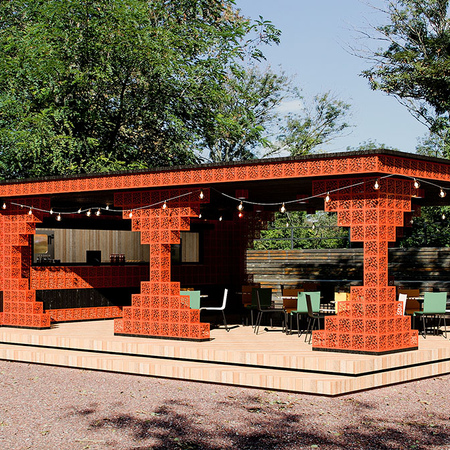
Modular components assemble through predictable, repeatable connections that require no tools, reducing setup time dramatically. A team of two people can build structures that would normally require a crew of seven.
Pro Tip: Always plan a “1-hour flexibility window” for the show day. Modular systems give you room to fix last-minute ideas - add a shelf, expand the demo zone, or shift counters to optimize flow.
Designing a Booth for One Event Only
A common mistake is treating the booth as a single-use asset. Custom carpentry may look impressive, but once the event is over, it becomes hard to store, impossible to resize, and usually ends up discarded.
Modular advantage:
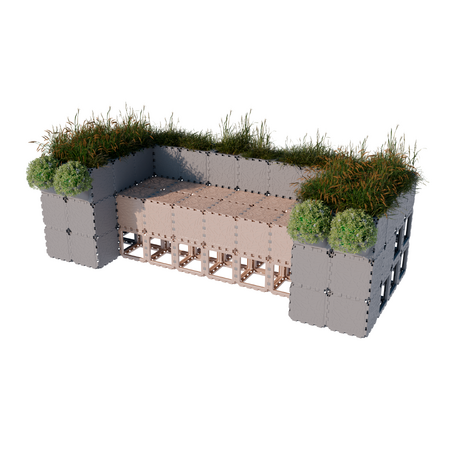
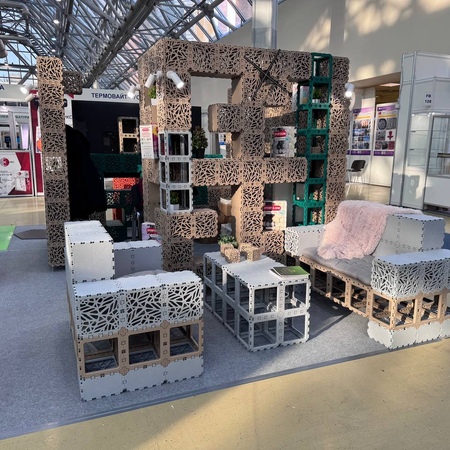
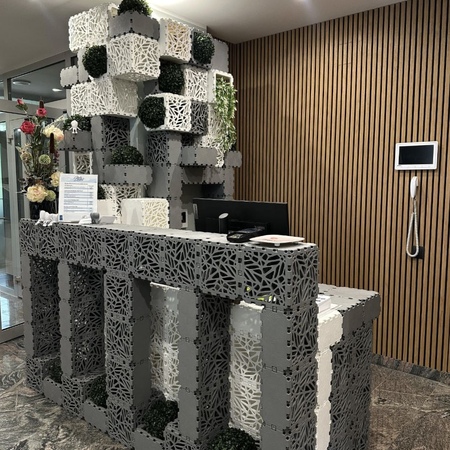
A modular booth can evolve with your calendar. A single kit can become:
- a 3×3 booth at a local expo,
- a 4×6 booth at an international fair,
- a pop-up showroom,
- a branded retail corner,
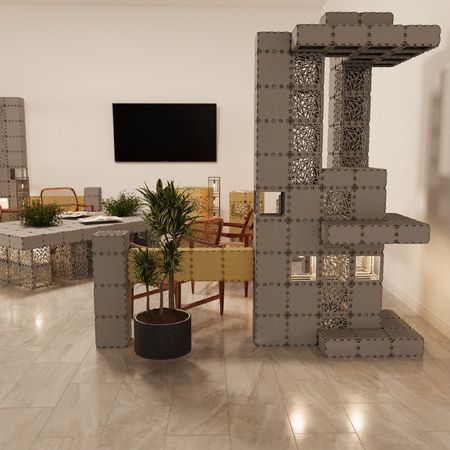
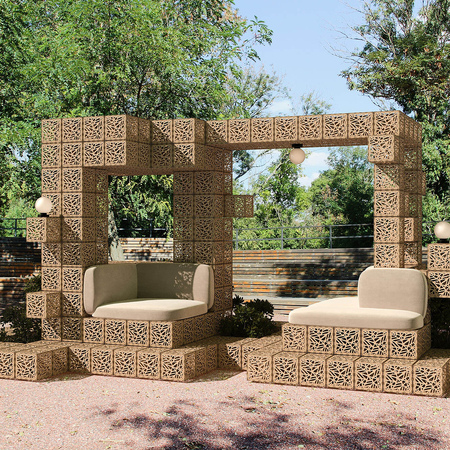
- or even office furniture back at headquarters.
Pro Tip: Choose a system where every module serves multiple purposes: seating, counters, displays, storage. This multiplies the booth’s lifespan and ROI.
Choosing Heavy, Hard-to-Transport Materials
Wooden and metal booths may look premium, but they create real-world problems:
- logistics costs exceed the build cost,
- materials get damaged in transport,
- elements require crates or pallets,
- the booth becomes dependent on third-party installers.
Modular advantage:
Lightweight elements reduce shipping expenses and can be transported in a small vehicle. They also make it possible for your own team to handle setup - adding full operational independence.
Pro Tip: If one person can’t lift each part of your booth, it’s outdated.
Creating a Layout With No Flexibility
Traditional booths lock you into a fixed shape. If your assigned space changes due to organizer rules - which happens often - the design cannot adapt without costly redesign and reprinting.
Modular advantage:
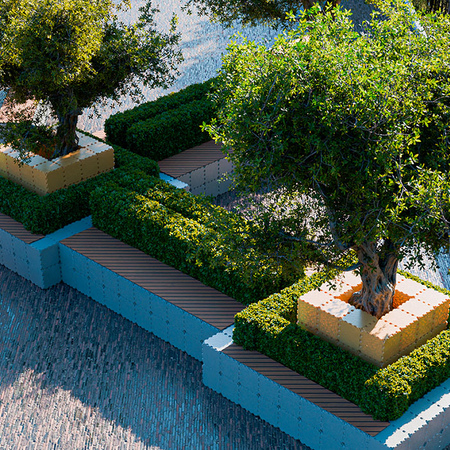
Modules can be expanded, reduced, rotated, stacked, or repurposed. You can open the booth to the aisle, add meeting pods, or create a showcase wall - all from the same elements.
Pro Tip: Before building anything, sketch three alternative layouts. If the design cannot evolve, it's not a strategic booth.
Ignoring Visitor Flow and Human Behavior
Most companies design for appearance, not movement. As a result:
- entrances get blocked,
- visitors collide at narrow points,
- key products are placed in low-visibility areas,
- the booth feels uncomfortable and chaotic.
How modular systems help:
Because modular layouts can be adjusted instantly, brands can optimize real foot traffic, widening pathways or relocating demo stations right on the show floor.
Pro Tip: Observe real movement during the first hour of the event - then adjust the booth. With modular systems, micro-optimization is your superpower.
Overcomplicating Electrical and Structural Requirements
Custom booths often rely on hidden wiring, heavy support frames, ladders, and complex lighting structures. This increases risk, time, and dependency on specialists.
Modular advantage:
Modern modular systems allow lighting, signage, shelves, and screens to integrate directly into the structure. No heavy engineering. No chaos behind the walls.
Pro Tip: Use LED lighting integrated into the modules to eliminate cables entirely.
Compromising Stability and Safety
Custom builds sometimes prioritize aesthetics over stability: tall walls may wobble, shelves can sag, and panels may detach after repeated use.
Modular advantage:
Modular systems have predictable load-bearing performance, tested connectors, and balanced weight distribution - making them inherently safer in high-traffic environments.
Pro Tip: If your booth doesn’t feel solid when a visitor leans on it, it’s a liability.
No Reuse Strategy or Long-Term Vision
Without a reuse strategy, companies overspend by rebuilding every year. The booth becomes a disposable asset rather than a tool.
Modular advantage:
Modularity extends usability across multiple environments, making each event cheaper and easier to plan. You buy once and combine endlessly.
Pro Tip: Track how many different configurations you achieve from a single kit - this metric shows true ROI.
Conclusion
A successful booth isn’t defined by size or budget - it’s defined by how intelligently it’s built. The recurring mistakes companies make stem from rigid, single-use, engineered-from-scratch constructions. Modular systems replace this outdated model with agility, speed, lower risk, and long-term value.
By embracing modularity, brands gain a booth that evolves with them, adapts to any event, and becomes a reusable asset rather than a recurring expense.