



FAQ
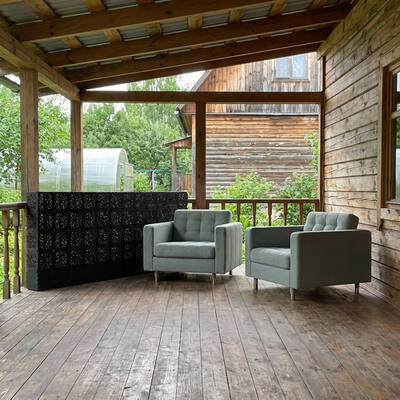
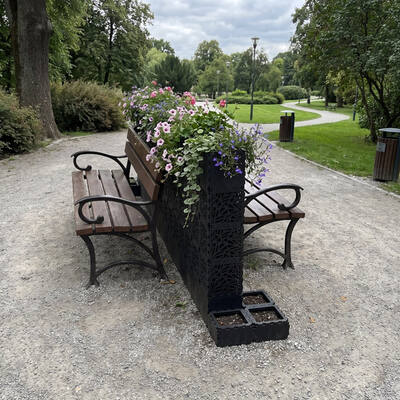
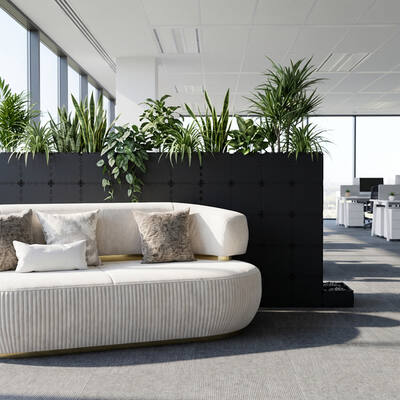
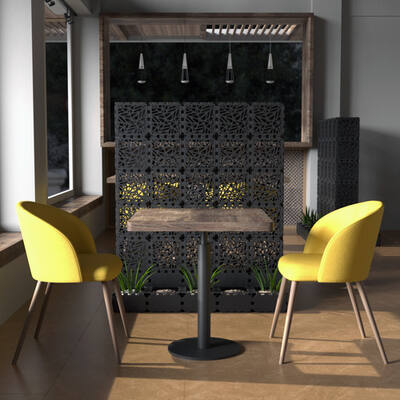
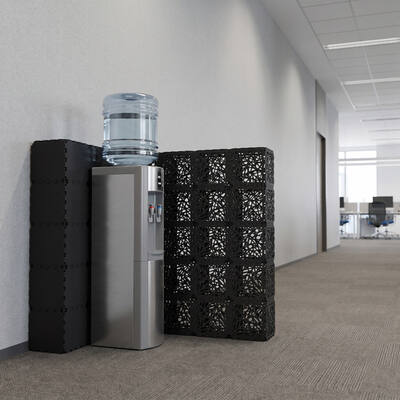
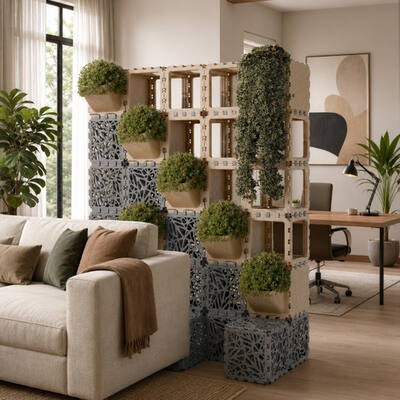
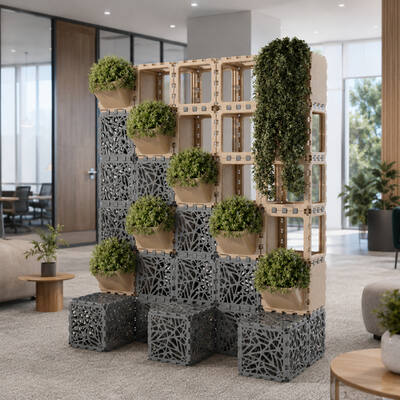
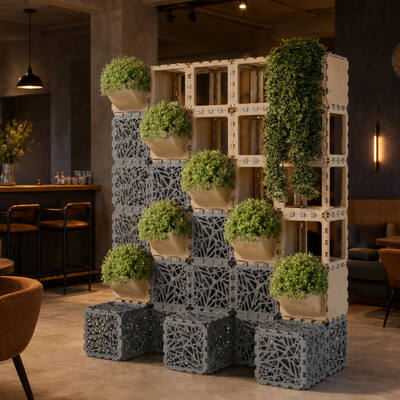
Stability depends on the layout and installation. You can add gravel, stones, or sand to the bottom row and use additional Cubiks to widen the base. A corner or L-shaped layout is inherently more stable than a straight wall. Its lower projecting section can be extended by one or two rows to create a place to sit. Tall structures and installations in high-traffic areas can also be anchored to the floor or wall.
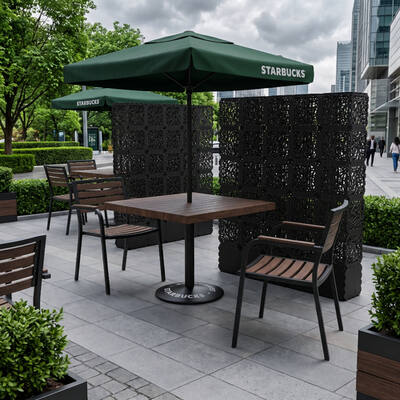
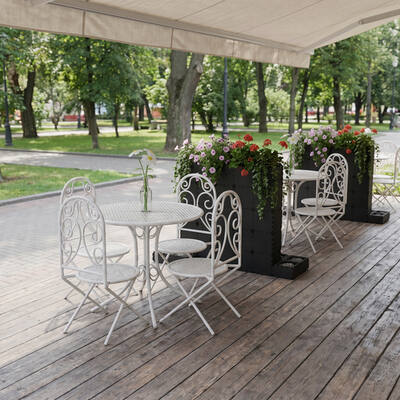
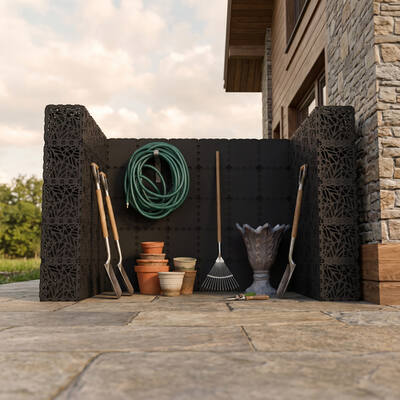
For terrace installations, weight the bottom row and anchor the divider to the floor where necessary. In windy locations, we recommend a corner or L-shaped layout and a suitable height. We can help you choose a configuration for your space.
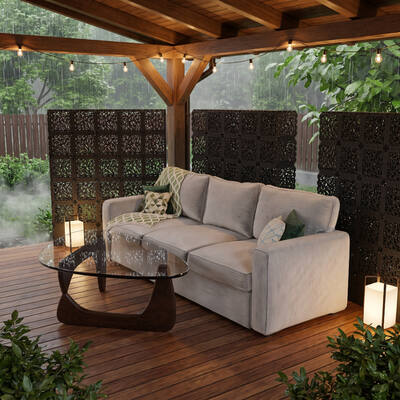
Polypropylene resists moisture, weather, and household chemicals without rotting. Its matte surface feels warm to the touch and is easy to clean, making it suitable for outdoor spaces and terraces.
Clean the divider with water and a soft sponge. The material does not absorb moisture or odors and needs no painting or special care.
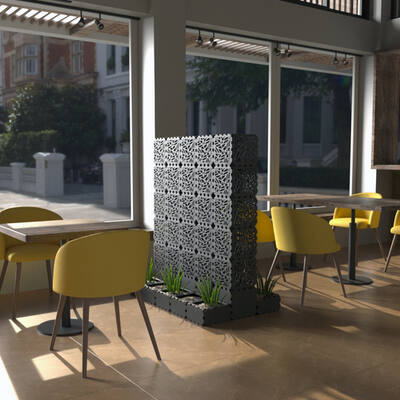
Cubiks connect without tools, like a building set. Two people can assemble a small 3 × 1.5 m divider in approximately 1–2 hours. When you need a temporary wall for an event, the same system can be taken apart and reconfigured just as quickly, making it practical for event rentals.
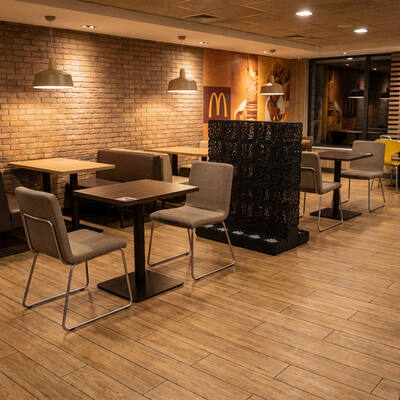
There are no specific restrictions for open terraces, outdoor spaces, events, or retail environments. For enclosed public interiors, please check local requirements regarding the fire classification of the materials. We are working on certification and can advise you on the current status for your project.